
You waited weeks for the gallery. You opened it with the same excitement you felt on your wedding day. And then the disappointment hit. The images do not look like what you expected. Maybe the editing feels off, or the coverage missed moments that mattered, or the photos simply do not capture the energy and emotion you experienced. Whatever the specific issue, the feeling is the same: these are supposed to be the permanent visual record of one of the most important days of your life, and they do not feel right.
Before you do anything, take a breath. Disappointment with wedding photos is more common than most people realize, and in many cases the situation is recoverable. But how you respond in the next 48 hours matters. Emotional reactions and public complaints before you have assessed the situation typically make things worse, not better. Here is a structured approach to evaluating what went wrong and finding the best path forward.
Step One: Wait Before Reacting
The first viewing of your wedding gallery is emotional. You are comparing real photographs against months of imagined perfection. That gap between expectation and reality hits hard, and it can distort your initial assessment.
Give yourself 48 to 72 hours before reaching out to your photographer. During that time, look at the gallery at least three separate times. Show it to a trusted friend or family member who was at the wedding and ask for their honest reaction. In many cases, photographs that initially disappoint grow on you once the emotional comparison fades. The images may not match the movie in your head, but they may accurately capture moments you did not notice in real time.
If the disappointment persists after multiple viewings, you have a legitimate concern. Now it is time to identify exactly what is wrong.
Step Two: Identify the Specific Problem
Vague dissatisfaction is hard to resolve. Your photographer cannot fix everything if you cannot explain what specifically needs fixing. Before you make contact, categorize your concerns into one of these groups.
Technical Quality Issues
These are objective problems: images are out of focus, improperly exposed (too dark or too bright), have visible noise from high ISO settings, or show color casts from uncorrected white balance. Technical failures are the photographer’s responsibility and the strongest basis for requesting re edits or compensation. If multiple images across the delivery share the same technical problem, it suggests a systemic issue with the photographer’s equipment or skill.
Coverage Gaps
Key moments that are missing entirely: the couple’s first look, the ring exchange, the bride’s entrance, important family members who appear in zero photographs. Coverage gaps are serious because unlike editing issues, missing moments cannot be recreated. Check your contract first. If the contract specified certain shots or events and they are absent, you have clear grounds for a complaint.
Editing and Style Mismatch
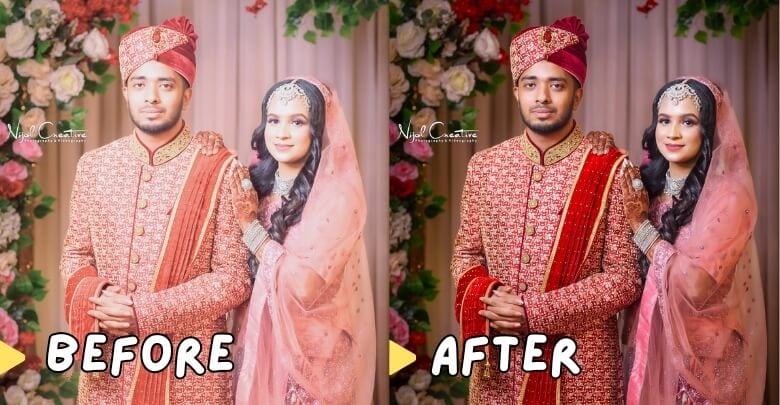
The images are technically competent but the editing style does not match what you expected. Maybe the colors feel too muted, the contrast too heavy, or the skin tones unnatural. This is the trickiest category because editing style is subjective. However, if the delivered work looks significantly different from the portfolio you were shown before booking, the photographer has an obligation to address the gap.
Quantity Shortfall
You received fewer images than promised. If the contract specified a minimum delivery of 800 images and you received 400, that is a breach of contract regardless of the quality of the images delivered. Count the delivery and compare it against the contractual commitment.
Step Three: Contact Your Photographer Professionally
Send a written message, either by email or through whatever communication platform you used during planning. Written communication creates a record and gives both parties time to think before responding. Phone calls are emotional and leave no documentation.
Structure your message with three components. First, acknowledge the work. Even if you are frustrated, starting with recognition that the photographer invested time and effort sets a constructive tone. Second, describe the specific issues with examples. Reference specific image numbers or moments. Third, state what resolution you are seeking: re editing certain images, additional culling, a partial refund, or a reshoot of portraits.
Avoid threats, public complaints, or emotional language in this first communication. The vast majority of professional photographers want their clients to be happy and will work toward a resolution when approached respectfully. Hostility immediately puts them on the defensive and makes compromise harder.
Step Four: Understand What Is Reasonable to Request
Not every disappointment warrants the same response. Understanding what is reasonable helps you negotiate effectively.
- Re editing of the full gallery or specific images is reasonable when the editing style deviates significantly from the photographer’s portfolio or when technical corrections are needed. Most photographers will re edit without additional charge.
- Additional culling and selection is reasonable if the delivery includes obviously substandard images that should have been removed. A gallery with blurry shots, test exposures, or duplicates suggests incomplete post processing.
- A partial refund is reasonable when coverage gaps mean the photographer did not deliver the service specified in the contract. Missing an entire event or arriving significantly late are grounds for proportional refunds.
- A full refund is appropriate only in extreme cases: the photographer failed to show up, delivered files that are unusable due to technical failure, or the work is so far below professional standards that it has no value. This is rare.
- A portrait reshoot is sometimes offered as a goodwill gesture when couple portraits specifically were affected by lighting, weather, or time pressure on the wedding day. Not all photographers offer this, but it is worth asking.
Step Five: Explore Your Options If Resolution Fails
If direct communication does not resolve the issue, you have several paths available.
Review the contract thoroughly. Every detail about deliverables, timelines, editing standards, and dispute resolution is relevant. If the contract specifies a dispute resolution process such as mediation, follow it. Contracts that specify deliverables in writing give you the strongest position.
File a formal complaint with whatever platform you used to find the photographer. If you booked through a marketplace or referral service, their dispute resolution process can be effective. Online reviews on Google, Facebook, and wedding directories are appropriate after you have exhausted direct resolution, but keep reviews factual and professional. Emotional rants undermine your credibility.
For significant financial losses where the photographer failed to deliver the contracted service, small claims court is an option. In Bangladesh, consumer protection laws cover service contracts, and you do not need a lawyer for small claims matters. The contract, your communication history, and the delivered work all serve as evidence.
How to Prevent This Problem Next Time
If you are reading this before your wedding, you have the advantage of prevention. Most wedding photo disappointment is preventable with better preparation.
- Review complete galleries, not just highlights, before booking. A photographer’s Instagram shows their best 20 images from each wedding. Their complete delivery shows their consistency.
- Discuss editing style explicitly. Ask to see their standard editing versus their portfolio editing. Some photographers apply heavier retouching to portfolio images than to standard deliveries.
- Put everything in writing. The contract should specify coverage hours, events included, minimum image count, editing level, delivery timeline, and revision policy.
- Do an engagement or pre wedding session. This smaller shoot reveals the photographer’s style, personality, and professionalism before the high stakes wedding day.
Related: https://www.nijolcreative.com/20-questions-to-ask-your-wedding-photographer/
Related: https://www.nijolcreative.com/how-many-photos-is-normal-for-a-wedding-photographer/
Related: https://www.nijolcreative.com/what-do-most-wedding-photography-packages-include/
Frequently Asked Questions
Can I ask my wedding photographer to re edit all photos?
Yes, most professional photographers will accommodate a re edit request, especially if you can point to specific issues. Color correction, brightness adjustments, and cropping changes are standard re edit requests. Asking for a complete style overhaul, such as changing from warm tones to cool tones across the entire gallery, is a larger request that may involve additional cost depending on the photographer’s policy.
Is it appropriate to leave a negative review?
After you have attempted direct resolution and given the photographer a reasonable opportunity to address your concerns, a factual and professional review is appropriate. Describe what was promised, what was delivered, and what the resolution process looked like. Avoid emotional language, personal attacks, or exaggeration. Factual reviews carry more weight with future clients than angry rants.
What if my photographer refuses to respond?
Document every attempt at communication with dates and screenshots. Unresponsive photographers lose credibility in any dispute process. If they refuse to engage after two to three written attempts over two weeks, escalate to the booking platform, leave a factual review documenting the non response, and consider small claims court if the financial loss justifies it.
Can another photographer fix bad wedding photos?
A skilled retoucher or editor can improve technical issues like exposure, color balance, and noise in individual images. However, no amount of editing can fix out of focus images, missing moments, or bad compositions. If your images are technically salvageable but poorly edited, hiring a professional retoucher to re process the raw files, if you can obtain them, is a viable option.