
Your professional headshot is the single most viewed image associated with your career. It appears on LinkedIn, company websites, email signatures, conference programs, press releases, speaker bios, and every professional directory where your name shows up. Most people spend hours crafting their resume and seconds choosing a profile photo. That math is backwards.
Professional headshots are important because they form the first visual impression before any conversation, handshake, or email exchange takes place. Research from Princeton University found that people form judgments about trustworthiness, competence, and likability within 100 milliseconds of seeing a face. Your headshot is the face they see first, and it carries more weight than most professionals realize.
Related: https://www.nijolcreative.com/what-is-a-professional-headshot/
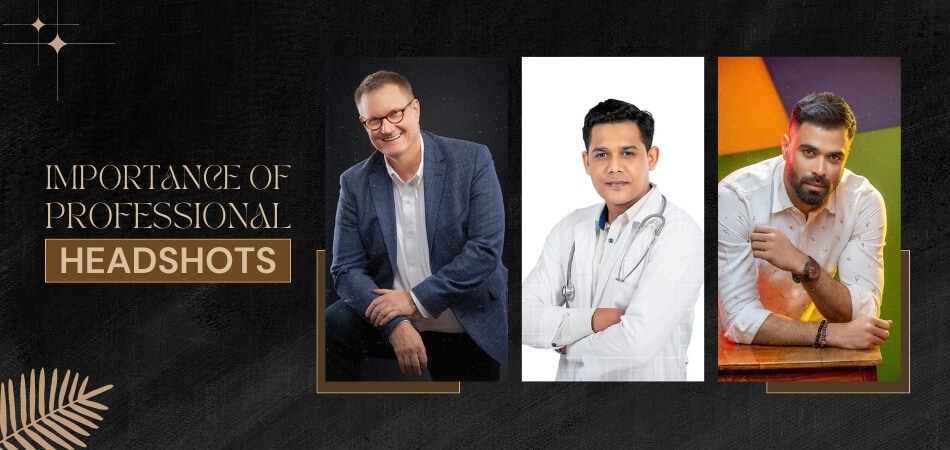
First Impressions Are Visual and Instant
The human brain processes visual information 60,000 times faster than text. When a potential client, recruiter, or colleague visits your LinkedIn profile, they see your photo before reading a single word of your summary. If that image looks unprofessional, outdated, or careless, the first impression has already been set. Everything they read afterward gets filtered through that initial reaction.
A 2023 LinkedIn study found that profiles with professional headshots receive 14 times more profile views and 36 times more messages than those without. This is not about vanity. It is about visibility and credibility in a digital professional landscape where your image precedes your qualifications.
Think about how you evaluate other professionals online. When you look up a potential business partner, a new hire, or a speaker at a conference, you look at their photo. If it is a cropped vacation image, a dim selfie, or a group photo where they have circled their own face, your confidence in their professionalism drops immediately. That is exactly what others experience when they see yours.

Credibility and Trust Begin With Your Image
Credibility is earned over time through actions and results. But the initial willingness of someone to engage with you, to give you the opportunity to demonstrate that credibility, is influenced by visual signals. A professional headshot communicates that you take your career seriously, that you invest in your professional presence, and that you pay attention to details.
This matters especially in industries where trust is the product. Financial advisors, attorneys, real estate agents, consultants, therapists, and healthcare providers all rely on clients trusting them with important decisions. A polished, authentic headshot signals that this person is established, competent, and worth taking seriously.
The opposite is equally true. A missing headshot or an obviously amateur photo raises questions. If this person does not care about how they present themselves, do they care about the quality of their work? That question may never be asked aloud, but it shapes decisions about whether to reach out, book a meeting, or move on to someone else.
Related: https://www.nijolcreative.com/what-does-a-good-professional-headshot-look-like/
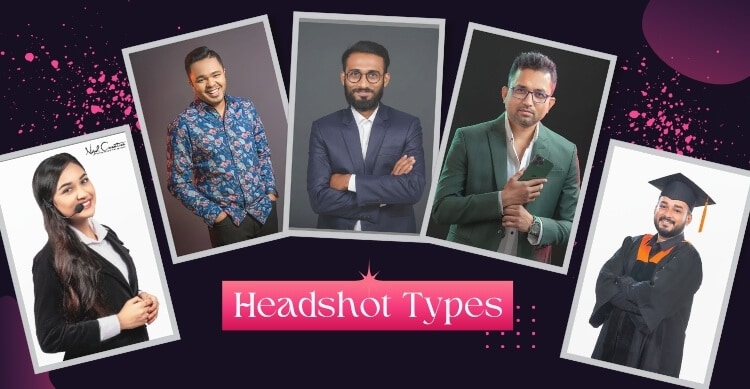
Personal Branding Requires Visual Consistency
Personal branding has moved from a marketing concept to a career necessity. Whether you are an entrepreneur, a corporate professional, or a freelancer, your personal brand is the story people tell about you when you are not in the room. Your headshot is the cover of that story.
A professional headshot creates visual consistency across every platform where your name appears. When the same polished image shows up on LinkedIn, your company bio page, your email signature, and your conference badge, it creates recognition and reinforces your professional identity. People begin to associate that image with your expertise, which builds familiarity and trust over time.
Inconsistent imagery does the opposite. Different photos across different platforms make it harder for people to connect your online presence with a single professional identity. A casual photo on LinkedIn and a formal one on your company page creates a subtle cognitive friction that undermines the cohesion of your personal brand.
Career Advancement and Networking
Headshots affect career outcomes in measurable ways. A study published in the Journal of Experimental Psychology found that people are more likely to remember faces that they perceive as trustworthy and competent. Your headshot determines whether your face falls into that category before your qualifications enter the conversation.
In networking contexts, a recognizable headshot makes in person connections more effective. When you meet someone at a conference or industry event, having a headshot they have already seen online creates an immediate sense of familiarity. They feel like they already know you, which lowers the barrier to meaningful conversation.
For job seekers, a professional headshot signals readiness and seriousness. Recruiters scan hundreds of profiles, and visual cues play a larger role in catching attention than most candidates acknowledge. A professional image does not guarantee an interview, but a poor one can eliminate you from consideration before your experience is evaluated.
Related: https://www.nijolcreative.com/how-to-pose-for-professional-headshots/
The Cost of Not Having One
Professional headshots are a small investment relative to their impact. A quality headshot session typically costs between $150 and $500 depending on the photographer, the location, and the number of finished images. That headshot will be used for two to three years across every professional platform and interaction. Measured against the cost of a single missed opportunity, whether that is a client who chose someone else, a recruiter who passed over your profile, or a speaking invitation that went to a competitor with a stronger online presence, the investment pays for itself many times over.
Not having a professional headshot does not save money. It costs opportunities. Every day that your LinkedIn profile shows a low quality image or no image at all is a day that potential clients, employers, and collaborators are forming a negative or absent first impression of you. The absence of an image is itself an image. It says you are either not invested in your career or not aware that it matters.
The professionals who resist investing in headshots are often the same ones who spend significantly more on business cards, website design, and marketing materials. Your face is the most recognizable element of your brand, and a professional image of it is the highest return on investment you can make in your professional appearance.
Frequently Asked Questions
How often should I update my professional headshot?
The general recommendation is every two to three years, or whenever your appearance changes significantly. If you have changed your hairstyle, gained or lost weight noticeably, or started or stopped wearing glasses, it is time for a new headshot. The goal is that anyone who sees your photo can recognize you immediately when they meet you in person.
Can a phone selfie work as a professional headshot?
Phone cameras have improved dramatically, but a selfie lacks the controlled lighting, professional backdrop, and expert direction that make a headshot effective. A professional photographer understands how to use light, angle, and composition to present you in the best possible way. The difference is immediately visible.
Do professional headshots matter for remote workers?
They matter even more. Remote workers rely entirely on digital presence to establish credibility and build relationships. Your headshot is often the only visual representation of you that colleagues, clients, and managers see outside of video calls. A professional image bridges the gap between digital communication and personal connection.
What if I do not like how I look in photos?
Most people who dislike their photos have only experienced casual snapshots or selfies. A professional headshot photographer knows how to find your best angles, use lighting to flatter your features, and guide your expression to look natural. The experience is fundamentally different from a friend pointing a phone at you, and the results are typically much better than people expect.