
Posing for a professional headshot feels counterintuitive because the positions that look best on camera often feel strange in person. And the way you naturally stand, which feels completely comfortable, usually photographs flat and unflattering. This disconnect between feeling and appearance is why posing matters so much and why a good photographer directs every detail.
Professional headshot posing is not about holding a rigid position and hoping the camera catches something usable. It is a series of subtle adjustments to your body angle, shoulder position, chin placement, and expression that together create an image communicating confidence, approachability, and competence. Every adjustment is small. The combined effect is significant.
Related: https://www.nijolcreative.com/what-is-a-professional-headshot/
The Foundation: Body Angle
Never face the camera directly with both shoulders squared toward the lens. This creates a flat, ID card quality image that looks confrontational rather than professional. It also makes your torso appear wider than it is.
Instead, turn your body 15 to 45 degrees away from the camera. This creates dimension and visual interest. Your body becomes a supporting element that leads the viewer eye toward your face rather than competing with it. The slight angle also naturally slims the appearance of your torso, which is flattering for everyone regardless of body type.
Think of your body as pointing at about 2 o clock (or 10 o clock, depending on which direction you turn) while your face points directly at the camera lens. This combination of angled body and forward facing expression is the fundamental structure of every good headshot pose.
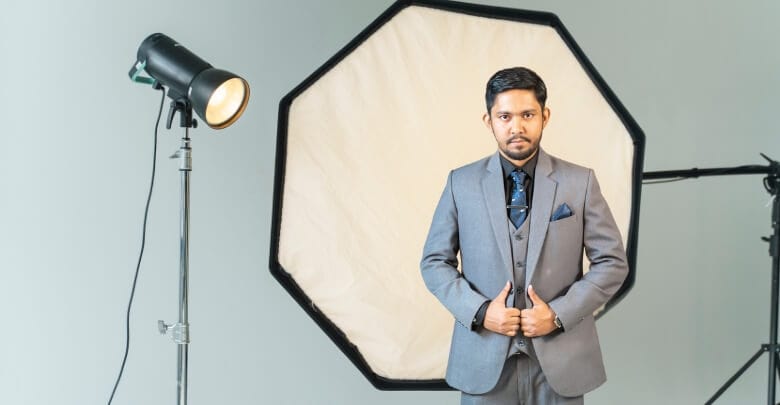
Shoulder Positioning
Your shoulders communicate more than you realize. Tense, raised shoulders signal anxiety. Dropped, rounded shoulders suggest low energy or disengagement. The ideal position is relaxed but intentional.
Roll your shoulders back and then let them drop to a natural resting position. This opens your chest and creates a posture that reads as confident without appearing stiff. One common technique is to drop one shoulder very slightly lower than the other. This subtle asymmetry adds visual interest and prevents the rigid, military quality that comes from perfectly level shoulders.
Lean forward from the waist very slightly, shifting your weight onto the balls of your feet. This micro adjustment makes an outsized difference. Leaning back, even barely, creates disengagement. Leaning forward creates engagement, presence, and the appearance of genuine interest. In the context of a headshot, it makes you look like someone worth listening to.
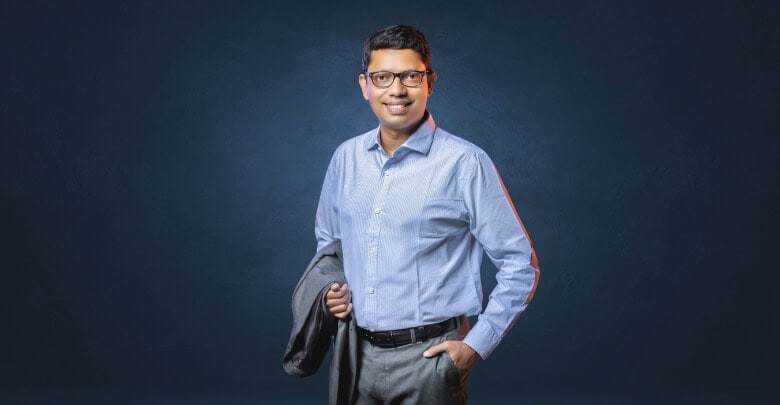
Chin and Jawline
Your chin position controls how your jawline appears in the photograph. The most common mistake is lifting the chin too high, which exposes the nostrils and creates an appearance of looking down at the viewer. The second most common mistake is tucking the chin too far, which creates a double chin effect even on lean faces.
The ideal chin position is a slight forward push and a very slight downward tilt. Imagine extending your forehead toward the camera by about half an inch. This sounds and feels awkward, but it defines the jawline, tightens the skin under the chin, and creates the strong facial structure that reads as confidence on camera.
Your photographer will direct this precisely. Trust their instructions even when the position feels exaggerated. What feels like a large adjustment from inside your body appears as a subtle, flattering change from the camera perspective.
Eye Contact and Expression
Your eyes are the focal point of every headshot. Where you look, how wide or narrow your eyes are, and the energy behind your gaze determine whether the headshot connects with viewers or falls flat.
Look directly into the camera lens. Not at the photographer, not at the screen if your camera has one, but at the lens itself. This creates the illusion of direct eye contact with every person who views the image. It is the difference between a photograph that observes you and one that engages you.
Squinting very slightly, a technique called squinching, adds intensity and confidence to your expression. The muscles around your lower eyelids tighten just barely, narrowing your eye opening by perhaps ten percent. The effect is subtle but powerful. Compare any politician official headshot to their candid photos. The official portrait always has this slight narrowing that communicates authority and engagement.
Avoid wide open eyes, which communicate surprise or anxiety rather than confidence. Avoid a completely neutral expression, which reads as bored or disengaged. The ideal is a natural warmth with focused intensity. Think about greeting a valued client or a respected colleague. That expression, genuine interest without performance, is what a professional headshot should capture.
Related: https://www.nijolcreative.com/do-i-smile-in-a-professional-headshot/
Related: https://www.nijolcreative.com/how-do-you-make-a-good-professional-headshot/
Hands and Arms
In a standard headshot framed from the chest or shoulders up, your hands typically do not appear in the frame. But where they rest affects your posture and the visible line of your shoulders and arms.
The simplest approach is to let your arms hang naturally at your sides with a slight bend at the elbows. This prevents the rigid, arms pinned look that creates tension across the shoulders. Some photographers use hand on chin or crossed arm poses, but these are more appropriate for editorial portraits than standard professional headshots.
If your hands are visible at the bottom of the frame, keep them relaxed. Clenched fists and rigid fingers telegraph tension. Softly curved fingers and relaxed wrists communicate ease and confidence.
Common Posing Mistakes to Avoid
Tilting your head too far to one side makes you appear uncertain or overly casual. A very slight tilt adds personality, but anything more than about ten degrees starts to undermine the professional quality of the image.
Pushing your face forward without the corresponding shoulder and body angle creates a disembodied, neck extending look. The forward chin push works because it is accompanied by the whole body leaning slightly forward.
Tensing your face muscles in an attempt to look confident produces the opposite effect. The camera reads tension accurately. Jaw clenching, forehead tightening, and forced smiles all register as discomfort, not authority.
Standing completely still for too long causes your expression to freeze. The best headshot photographers keep you moving between shots, asking you to look away and back, adjust slightly, or respond to conversation. Movement keeps your expression alive.
Related: https://www.nijolcreative.com/what-not-to-do-for-headshot-photography/
Frequently Asked Questions
Should I smile in my professional headshot?
That depends on your industry and the impression you want to create. A natural, subtle smile works for most professionals. A broader smile suits approachable roles like coaching, consulting, and client facing positions. A composed, serious expression suits corporate executives, attorneys, and financial professionals. Match the expression to your audience.
How do I relax during a headshot session?
Take deep breaths between shots, look away from the camera periodically to reset your expression, and trust the photographer direction. Most people relax significantly after the first ten to fifteen shots. The best expressions almost always come in the second half of the session.
What should I do with my body if I feel awkward?
Follow the photographer instructions exactly, even if the positions feel strange. Remember that what feels awkward often looks great on camera, and what feels natural often looks flat. Focus on your face and expression rather than your body position, and let the photographer handle the rest.
Does posing really make that much difference?
Absolutely. The difference between a headshot with proper posing and one without is immediately visible. Correct body angle, chin position, and shoulder placement create an image that looks professional and intentional. Without these adjustments, even excellent lighting and a great camera produce an image that looks like a snapshot rather than a portrait.