
The background of your professional headshot does more than fill empty space behind your head. It sets the tone of the entire image, influences how viewers perceive your professionalism, and determines whether your face commands attention or gets lost in visual noise. Choosing the wrong background is one of the most common reasons otherwise good headshots fail to make an impact.
The best background for a professional headshot is one that enhances your presence without competing for attention. That sounds simple, but the execution depends on your industry, the platforms where the headshot will appear, and the specific impression you want to create. A corporate attorney and a creative director need different visual contexts even though both need professional headshots.
Related: https://www.nijolcreative.com/what-is-a-professional-headshot/

Solid Color Studio Backgrounds
Solid color backgrounds are the most traditional and most universally appropriate option for professional headshots. They eliminate all distractions and put 100 percent of the viewer focus on your face and expression.
Gray Backgrounds
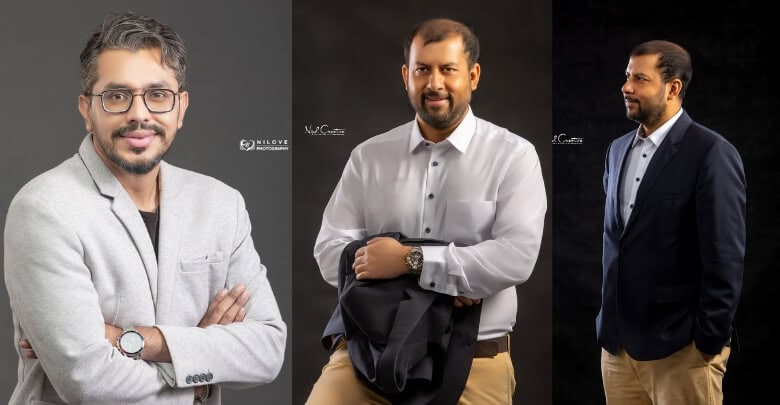
Neutral gray is the most versatile headshot background available. It works across every industry, complements every skin tone, and never dates itself. Corporate professionals, healthcare workers, academics, and executives all use gray backgrounds because they communicate competence without personality. That is exactly right for some contexts and too conservative for others. Gray backgrounds can be lit to appear lighter or darker, giving the photographer control over mood without changing the physical backdrop.
White Backgrounds
White backgrounds create a clean, modern, and bright feeling. They are popular for tech companies, startups, and any brand that wants to project freshness and openness. The challenge with white backgrounds is lighting. Poorly lit white backgrounds become dingy gray. Overlit white backgrounds create a blown out, floating head effect. A skilled photographer knows how to light white backgrounds evenly while maintaining separation between the subject and the backdrop.
Dark Backgrounds
Dark gray, charcoal, and black backgrounds add drama and gravitas. They are common for executive portraits, law firm headshots, and creative professionals who want a more editorial feel. Dark backgrounds make the subject pop forward from the frame and create a sense of depth and authority. They require careful lighting to prevent the subject from disappearing into darkness at the edges.

Environmental and Office Backgrounds
Environmental headshots include intentional background elements that provide context about who you are and what you do. A doctor photographed in a medical office, an architect in front of a building, a chef in a kitchen. These backgrounds add storytelling depth that solid colors cannot provide.
The key to environmental backgrounds is blur. The background should be recognizable but not sharp enough to read text or identify specific objects. This is achieved through shallow depth of field, where the camera focuses tightly on the subject while letting the background fall soft. The viewer gets the context without the distraction.
Office backgrounds work well when the office itself looks professional and clean. Cluttered desks, fluorescent lighting, and corporate cubicle walls do not photograph well. If you plan to use your actual office as a background, tidy it, control the lighting, and choose an angle that shows the most visually appealing portion of the space.
Outdoor Backgrounds for Headshots
Outdoor headshots add warmth, personality, and natural energy that studio shots sometimes lack. They are increasingly popular for professionals who want to appear approachable, creative, and modern. Real estate agents, consultants, coaches, and creative professionals frequently prefer outdoor headshots.
The best outdoor backgrounds are simple and uncluttered. A stone or brick wall with even texture, a park setting with blurred greenery behind the subject, an urban environment with clean architectural lines. The principle is the same as studio backgrounds: the background supports the subject without competing.
Timing matters more outdoors than in a studio. The quality of natural light changes dramatically throughout the day. Open shade during midday, golden hour in the late afternoon, and overcast conditions all produce flattering light. Direct midday sun creates harsh shadows and squinting that ruin outdoor headshots regardless of how good the background looks.
Weather introduces unpredictability that studio sessions avoid entirely. Wind affects hair. Rain changes plans. Bright sun creates shadows. A good outdoor headshot photographer accounts for these variables, but they add complexity that does not exist in a controlled studio environment.
Related: https://www.nijolcreative.com/how-to-take-professional-headshots-with-a-smart-phone/
Backgrounds to Avoid
Some backgrounds actively harm your professional image regardless of how good your expression, lighting, and wardrobe are.
Busy patterns, including wallpaper, crowded bookshelves, and detailed artwork, create visual competition that pulls attention away from your face. The viewer eye bounces between your face and the background rather than settling on you.
Bathrooms, bedrooms, and living rooms communicate casualness that undermines professional credibility. Even if the space is clean and well lit, the context registers subconsciously. A recruiter reviewing your LinkedIn profile will notice.
Virtual backgrounds and AI generated backdrops are immediately obvious in professional headshots. The edge detection around hair and shoulders never looks natural, and the artificial quality of the background signals that you did not invest in a real photograph. They are acceptable for video calls. They are not acceptable for a permanent professional headshot.
Extremely colorful backgrounds can overwhelm the subject and look unprofessional for most industries. Bold colors like red, bright blue, or yellow work for very specific creative contexts but are wrong for the vast majority of professional headshots.
How to Choose the Right Background for Your Industry
Match your background to the expectations of the people who will view your headshot. Corporate professionals, attorneys, and financial advisors benefit from conservative solid backgrounds in gray or dark tones. Creative professionals, entrepreneurs, and tech workers can use environmental or outdoor backgrounds that reflect personality. Healthcare professionals typically use neutral studio backgrounds that project trust and competence.
When in doubt, choose neutral gray. It never offends, never dates, and works on every platform from LinkedIn to company websites to printed business cards. You can always reshoot with a more creative background later, but a timeless neutral headshot remains useful for years.
Related: https://www.nijolcreative.com/what-to-wear-for-professional-headshots/
Frequently Asked Questions
What is the most popular background color for headshots?
Neutral gray is the most popular background color for professional headshots across all industries. It is versatile, timeless, complements every skin tone, and works on any platform. White is the second most popular, especially in tech and startup environments.
Can I use a wall in my house as a headshot background?
You can use a plain, solid colored wall as a headshot background if the lighting is good and the wall is free of scuffs, texture, and visible fixtures. White, light gray, and beige walls work best. Avoid walls with wallpaper, dark colors, or anything that creates a distracting pattern.
Should my headshot background match my company branding?
It can, but it does not have to. Some companies use branded background colors for team headshots to create visual consistency across their website. For individual professionals, a neutral background is safer because it works beyond any single company context.
Is an outdoor headshot less professional than a studio headshot?
Not at all. A well executed outdoor headshot is every bit as professional as a studio shot. The key is intentional composition, good lighting, and a clean background. An outdoor headshot taken against a blurred park setting with golden hour light can communicate warmth and approachability that serves many professionals well.