
You know a good professional headshot when you see one. The person looks confident, approachable, and competent. The image is clean and polished without looking artificial. But identifying a good headshot is easier than articulating exactly what makes it good. Understanding the specific qualities that separate a strong professional headshot from a mediocre one helps you evaluate your own headshot and communicate clearly with your photographer about what you want.
A good professional headshot succeeds across five dimensions: technical quality, composition, expression, wardrobe, and context appropriateness. Each dimension contributes to the overall impression, and weakness in any single area can undermine an image that excels in the others.
Related: https://www.nijolcreative.com/what-is-a-professional-headshot/
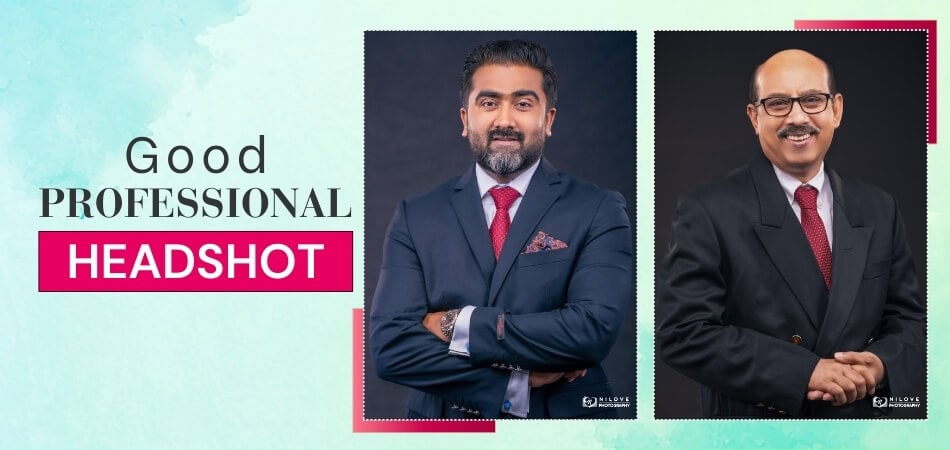
Technical Quality: Sharpness, Lighting, and Resolution
The first mark of a good headshot is technical excellence. The image should be sharp. Not just acceptably clear, but critically sharp on the eyes and face. The eyes are the focal point of every headshot, and if they are even slightly soft, the image fails at the most fundamental level. This is why professional headshot photographers use dedicated portrait lenses and controlled autofocus settings.
Lighting should be even, flattering, and dimensional. The face should be well illuminated with soft shadows that add contour without creating harsh contrasts. You should be able to see both eyes clearly, with catchlights, the small bright reflections in the irises that make eyes look alive. Without catchlights, eyes appear flat and lifeless. With them, the portrait gains immediate vitality.
Resolution matters for practical reasons. A headshot used on a website might be displayed at 200 by 200 pixels, but the source file should be high enough resolution to print at 8 by 10 inches without loss. Images taken on professional cameras deliver this easily. Phone headshots may not, especially if cropped heavily.
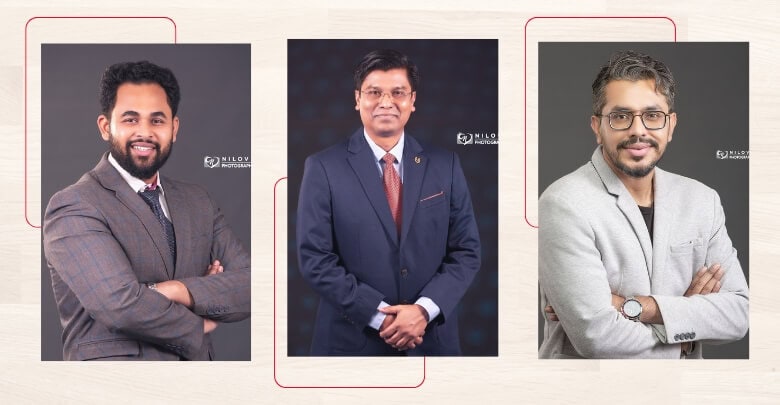
Composition: Framing, Angle, and Background
Good headshot composition follows portrait photography conventions that have been refined over decades. The subject is framed from mid chest or shoulders up, with the face positioned in the upper third of the frame. There is enough space above the head that the subject does not feel cramped, but not so much that the face feels small within the frame.
The body is angled slightly, typically 15 to 30 degrees, rather than squared directly toward the camera. This creates a more dynamic composition and a slimming effect. The face is turned toward the camera even when the body angles away, creating the engagement that makes headshots feel like a conversation rather than a surveillance capture.
The background is clean and non distracting. Whether it is a solid studio backdrop, a blurred environmental setting, or a simple outdoor scene, it should support the subject without competing. If the viewer notices the background before the face, the composition has failed.
Related: https://www.nijolcreative.com/what-background-is-best-for-professional-headshots/
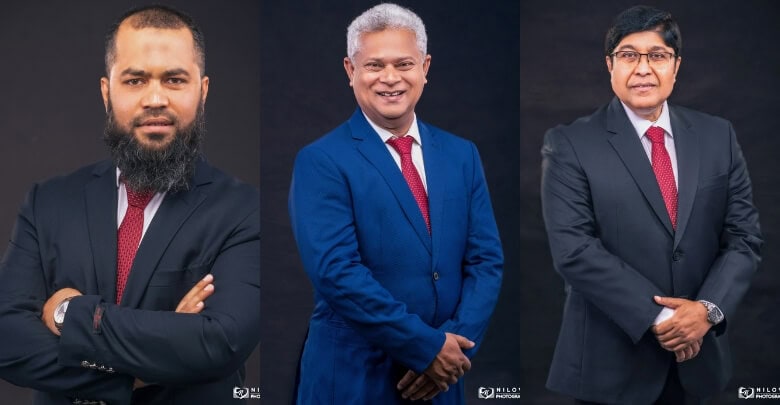
Expression: Authentic and Appropriate
The expression is where good headshots separate from great ones. A technically perfect image with a stiff, forced, or awkward expression fails its purpose. The expression should look natural, as if captured during a genuine moment rather than posed for a camera.
What natural means depends on the professional context. A warm, open smile works for client facing roles. A composed, confident expression suits corporate leadership. A subtle smile bridges both worlds. But regardless of the specific expression, authenticity is the non negotiable requirement. The viewer should believe this is how you actually look when you are engaged and confident, not how you look when you are performing for a camera.
The eyes carry most of the expression in a headshot. Bright, engaged eyes with slight narrowing at the lower lids communicate confidence and presence. Wide, startled eyes communicate anxiety. Dead, unfocused eyes communicate disengagement. The difference is often in the direction and coaching the photographer provides during the session.
Related: https://www.nijolcreative.com/do-i-smile-in-a-professional-headshot/
Wardrobe: Supporting the Message
Clothing in a good headshot supports the professional message without drawing attention to itself. You notice the person, not their outfit. Solid colors in mid tones, clean lines, proper fit, and minimal accessories are the standard. The wardrobe should be appropriate for the industry and consistent with how the subject actually dresses in professional settings.
Problems arise when the wardrobe is too casual, too formal, or too attention grabbing for the context. A creative director in a stiff black suit looks wrong. A corporate executive in a casual t shirt looks wrong. A coach in a bold patterned shirt looks wrong. The wardrobe should match the reality of how this person shows up in their professional world.
Related: https://www.nijolcreative.com/what-to-wear-for-professional-headshots/
Related: https://www.nijolcreative.com/what-color-is-best-for-headshot-photos/
Context Appropriateness: Right for the Platform
A good headshot is not universally good. It is good for its intended context. A LinkedIn headshot has different requirements than a corporate website headshot, which differs from a speaking profile headshot. The best headshot for a casual startup team page might be wrong for a Fortune 500 annual report.
LinkedIn headshots should be approachable and professional, with the face taking up at least 60 percent of the frame since the platform displays thumbnails. Corporate website headshots need to match the visual style of the rest of the team and the brand aesthetic. Speaker profile headshots often need more personality and energy since they compete with dozens of others in a conference program.
The strongest approach is to have multiple headshots optimized for different uses. One conservative option for formal contexts, one warmer option for digital platforms, and one with more personality for creative or speaking applications.
Red Flags: What a Bad Headshot Looks Like
Bad headshots share common characteristics. Harsh lighting that creates dark shadows under the eyes and nose. Distracting backgrounds that pull attention from the face. Forced or uncomfortable expressions that make the subject look stiff. Low resolution or blurry images that appear amateur. Outdated clothing or styling that does not match the subject current appearance.
The most damaging red flag is a headshot that does not look like the person anymore. An image from five years ago, 20 pounds ago, or with a completely different hairstyle creates a credibility gap the moment someone meets you in person. A good headshot represents who you are today, not a better version of yourself from a different time.
Related: https://www.nijolcreative.com/what-not-to-do-for-headshot-photography/
Frequently Asked Questions
How can I tell if my current headshot is good enough?
Ask three trusted colleagues or friends whether your headshot looks like you, whether it communicates professionalism, and whether they would trust the person in the photo. If any answer is no, or if the headshot is more than two to three years old, it is time for a new one.
What makes a headshot look dated?
Hairstyles, clothing trends, and photography styles all date headshots. Heavy vignetting, overly smooth skin retouching, and dramatic color grading were popular five to ten years ago but now look artificial. A clean, naturally lit, and simply styled headshot ages the most gracefully.
Does the headshot crop matter for different platforms?
Yes. LinkedIn recommends a square crop with the face taking up at least 60 percent of the frame. Corporate websites may need rectangular crops. Social media platforms vary in their display ratios. Having a high resolution source file allows cropping for any platform without quality loss.
How often should I update my professional headshot?
Every two to three years, or whenever your appearance changes significantly enough that the current headshot no longer represents how you look in person. A headshot that does not match your current appearance undermines trust in every meeting where the other person has already seen your photo.