
Your headshot session lasts about 30 to 60 minutes. The preparation that happens in the days and hours before determines whether those minutes produce an image you use for years or one you never post. Most people underestimate how much the photographer handles and overestimate how much they need to control. The result is overthinking and stress that shows on camera.
Preparation for a professional headshot covers four areas: your appearance, your wardrobe, your mental state, and the practical logistics of the session itself. Each one contributes to the final image. Getting three right and neglecting one is enough to undermine the result. This guide walks through every step so nothing gets missed.
Related: https://www.nijolcreative.com/what-is-a-professional-headshot/
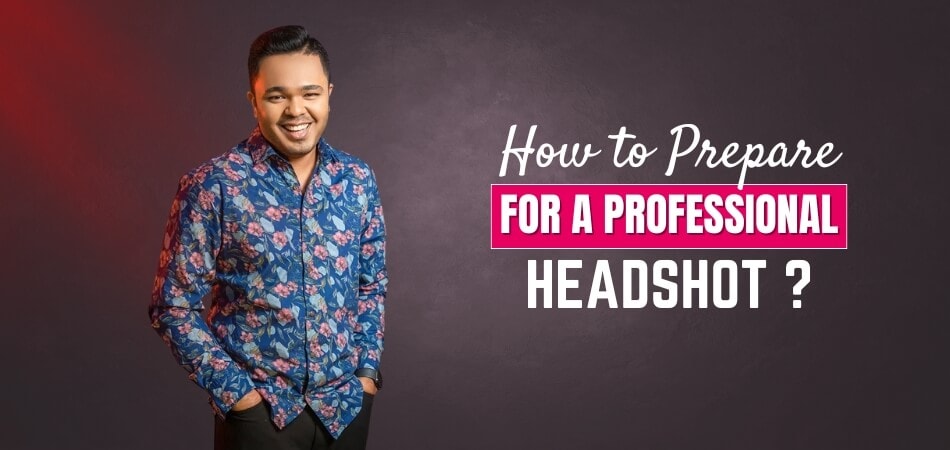
Wardrobe Planning: What to Wear and What to Avoid
Your clothing communicates your professional identity before anyone reads your title or bio. The wrong outfit creates a disconnect between how you want to be perceived and what the camera captures. The right outfit disappears into the background and lets your face carry the message.
Solid colors photograph better than patterns in headshots. This is not a style preference. Patterns create visual noise that competes with your face for attention. Stripes, plaids, and small geometric prints can also cause moire effects on camera, producing a distracting shimmering pattern. Stick with solids in colors that complement your skin tone.
Bring two to three outfit options to your session. One formal or corporate option, one business casual option, and one that reflects your personality. The photographer can help you decide which reads best under the specific lighting setup. Having options means you are not locked into a choice you made at home under different lighting conditions.
Fit matters as much as color. Clothes that are too loose look sloppy on camera. Clothes that are too tight pull and create wrinkles that catch light in unflattering ways. Choose fitted but comfortable pieces that you have worn before and feel confident in. A headshot session is not the time to debut something new.
Related: https://www.nijolcreative.com/what-to-wear-for-professional-headshots/
Related: https://www.nijolcreative.com/what-color-is-best-for-headshot-photos/
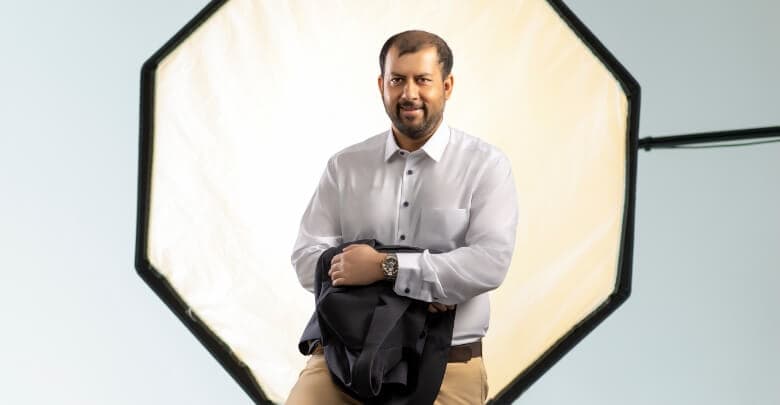
Grooming and Skincare in the Days Before
Start your preparation a week before the session, not the morning of. Your skin, hair, and grooming need time to settle into their best state.
Hair
Get your haircut at least five to seven days before your session. A fresh cut looks great in person but often appears too precise and stiff on camera. Giving it a few days to grow in slightly creates a more natural look. Style your hair the way you normally wear it. This is not the time for a dramatic new style that you are still learning to manage.
Skincare
Hydration is the most impactful thing you can do for your skin before a headshot. Drink plenty of water in the three days leading up to your session. Well hydrated skin photographs significantly better than dehydrated skin. It has a natural glow that no filter can replicate and takes light more evenly.
Avoid trying new skincare products in the week before your session. New products can cause breakouts, redness, or allergic reactions. Stick with your established routine. If you normally exfoliate, do your last exfoliation two days before the shoot to give your skin time to calm down.
Facial Hair
For men, decide on your facial hair and commit to it days in advance. If you are clean shaven, shave the morning of the session. If you maintain a beard or stubble, groom it the day before so it looks intentional rather than unkempt. The worst option is a five o clock shadow that looks like you forgot to shave rather than chose a style.
Makeup
Professional makeup application is worth considering for headshot sessions. Studio lighting interacts with makeup differently than natural light or office lighting. A makeup artist who works with photographers knows how to prepare skin for camera conditions. If you do your own makeup, apply it slightly heavier than your everyday look because camera lighting tends to wash out coverage. Matte finishes photograph better than dewy or shimmery ones under studio lights.
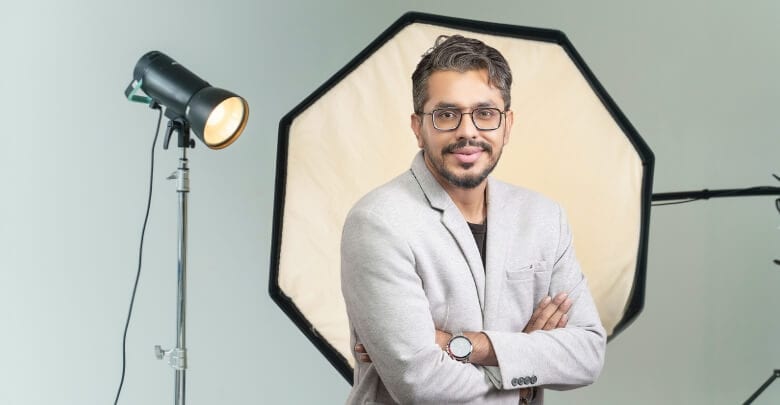
Physical Preparation the Day Before
Get adequate sleep the night before your session. Seven to eight hours minimum. Tired eyes are visible in close up portraits, and no amount of retouching fully fixes puffy, bloodshot, or sunken eyes. The camera captures what sleep deprivation does to your face with uncomfortable precision.
Avoid alcohol the night before. Alcohol dehydrates skin, causes puffiness, and can affect eye clarity. Avoid heavy, salty foods that cause water retention and facial bloating. Eat normally, hydrate well, and rest.
If you wear glasses, clean them thoroughly. Smudges and fingerprints that are invisible in person become obvious in high resolution photographs. Consider bringing a pair without lenses if you have one, to eliminate potential glare issues under studio lighting. Discuss this with your photographer beforehand so they can adjust their lighting setup accordingly.
Mental Preparation: The Part Most People Skip
Camera anxiety is normal. Most people feel some degree of discomfort when a camera is pointed at their face. The difference between people who photograph well and people who do not is rarely about their faces. It is about their comfort level.
Arrive early. Rushing into a session creates tension that takes time to dissolve. Give yourself at least 15 minutes before your scheduled start time to settle in, meet the photographer, and let your nervous energy dissipate naturally.
Listen to music that puts you in a good mood during your commute to the session. This sounds trivial, but your emotional state directly affects your expression. A playlist that makes you feel confident, relaxed, and positive primes your face for better expressions than silent anxiety.
Trust the photographer. Their job is to direct you. When they tell you to tilt your chin, shift your shoulders, or adjust your expression, follow the direction even if it feels unnatural. What feels strange to you often looks excellent on camera. The positions that feel most natural to you are frequently the least flattering on camera. This is counterintuitive but universally true.
Related: https://www.nijolcreative.com/how-do-i-pose-for-professional-headshots/
What to Bring to Your Session
Pack your outfits on hangers, not folded in a bag. Wrinkles from folding are difficult to remove at the studio and visible on camera. A garment bag protects everything during transport.
Bring a small personal grooming kit: lip balm (matte, not glossy), blotting papers for shine control during the session, a small mirror, a comb or brush, and any personal products you might need for touch ups. Studios often have these items available, but having your own means you are never waiting.
Bring water. Staying hydrated during the session keeps your skin looking its best and prevents dry lips. A straw helps avoid smudging lipstick or lip color.
Do not bring too many people. A friend for moral support is fine. An entourage of five creates pressure, distraction, and the temptation to perform for your audience rather than connecting with the camera. The best headshot sessions are calm, focused, and collaborative between you and the photographer.
Related: https://www.nijolcreative.com/can-you-wear-black-for-a-headshot-photography-session/
Frequently Asked Questions
How far in advance should I prepare for a headshot session?
Start your preparation one week before the session. Get your haircut five to seven days out, begin hydrating your skin, finalize your outfit choices, and schedule any grooming appointments. The morning of, focus on grooming details and mental readiness.
Should I get professional makeup for my headshot?
Professional makeup is recommended if it fits your budget. A makeup artist experienced with photography knows how to prepare skin for studio lighting. If you do your own makeup, apply it slightly heavier than your everyday look and choose matte finishes over shimmery ones.
What if I am nervous about my headshot session?
Nervousness is completely normal and expected. Arrive early, listen to music that relaxes you, and trust the photographer to direct you. Most people relax within the first ten minutes. The best expressions usually come in the second half of the session after the initial tension has faded.
Can I bring multiple outfits to my headshot session?
Absolutely. Bring two to three outfit options so you and the photographer can choose what looks best under the actual lighting conditions. Most professional sessions include time for at least one outfit change.